


On a Tuesday in late June 2019, most Nigerians had never heard the word “RUGA.” By the following week, it had become the most explosive acronym in the country’s politics invoked in state house press conferences, cited in ultimatums from northern youth groups, denounced from the pulpit by Wole Soyinka, and suspended by the federal government before a single settlement had broken ground. Understanding why a rural land use plan detonated that fast requires understanding what many Nigerians believed it actually was: not an agricultural reform, but the clearest evidence yet of an ethnic project running underneath the Buhari administration.
This is the case that RUGA’s critics made laid out with the evidence they cited, the government’s rebuttal, and what actually happened once the dust settled.
What RUGA proposed
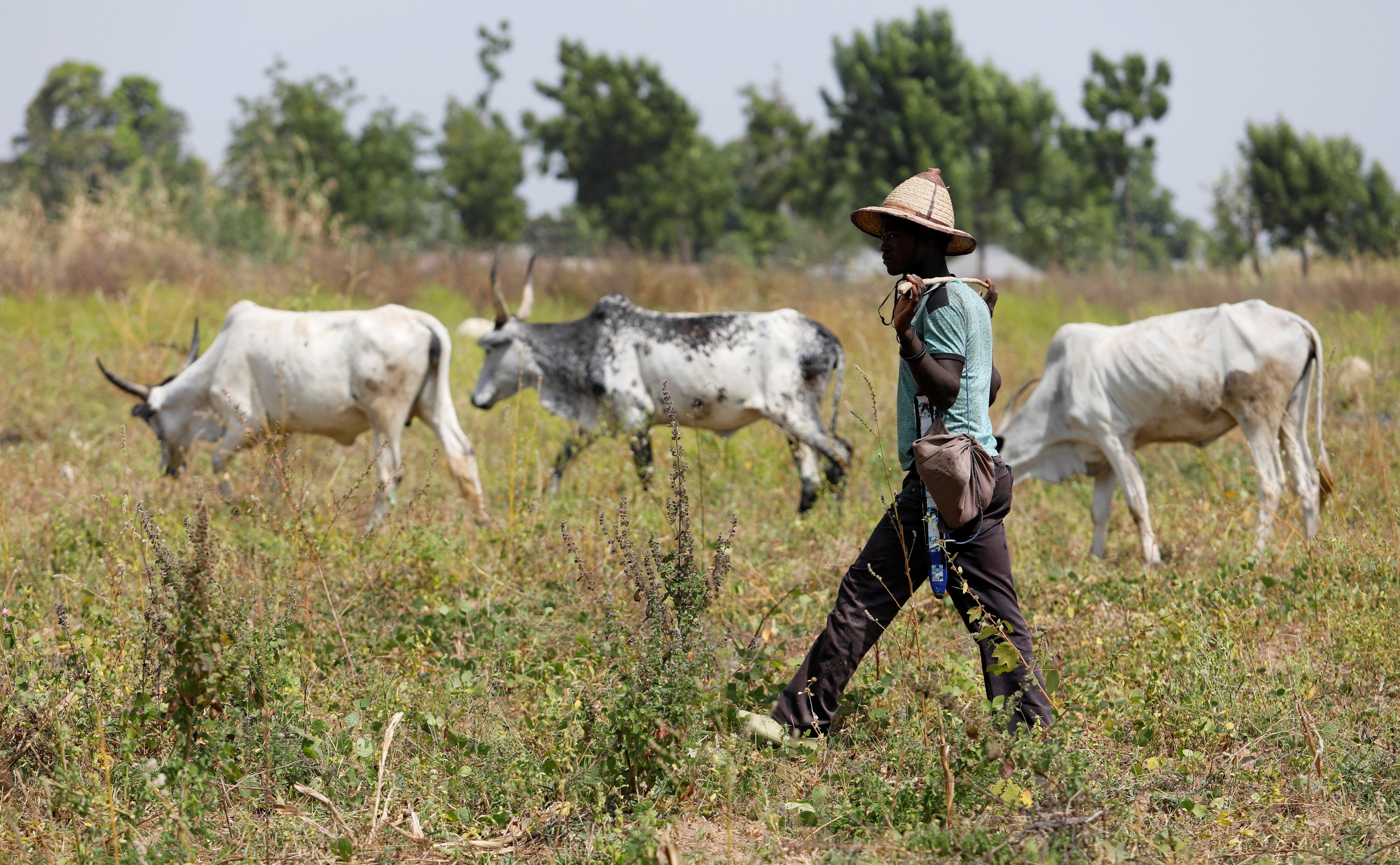
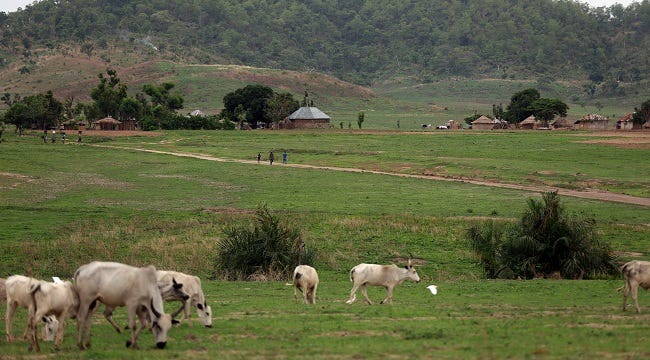
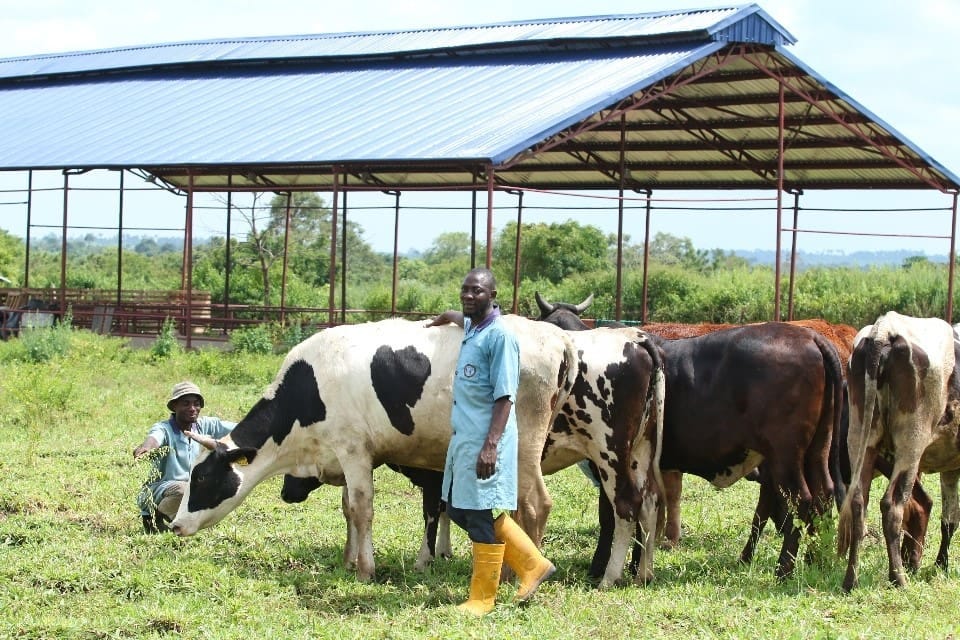
RUGA, a Fulani term rendered officially as “Rural Grazing Area” was a plan to carve out reserved settlements across Nigeria’s states where nomadic Fulani herders could base their cattle permanently, ending the seasonal, cross country migration that had increasingly put herders in violent contact with farming communities. The idea wasn’t new: versions of it trace back to the Obasanjo and Yar’Adua administrations. What made the 2019 iteration different was how it arrived, approved through the National Economic Council, publicly announced in June 2019 as a plan to allocate land in every state of the federation, with the federal government initially describing it as something states would be expected to implement rather than opt into.
It followed directly on the heels of an earlier, equally short lived proposal: the 2018 “cattle colonies” plan, which had already been rejected by the great majority of Nigeria’s 36 states before RUGA revived the same basic concept under a new name.
The case critics made
The allegation that RUGA represented a Fulani ethnic agenda, rather than neutral agricultural policy, rested on several specific pieces of evidence that opponents pointed to at the time.
Land, and who controls it. Under Nigeria’s Land Use Act, land is vested in state governors, not the federal government. RUGA’s initial design, federal land allocation across all 36 states was read by many governors and civil society groups as a direct federal override of that constitutional arrangement, for the specific benefit of one ethnic group’s economic activity.
The Southern and Middle Belt Leaders Forum did not mince words, accusing the administration of “seeking to colonize Nigeria through the establishment of Ruga settlement.”
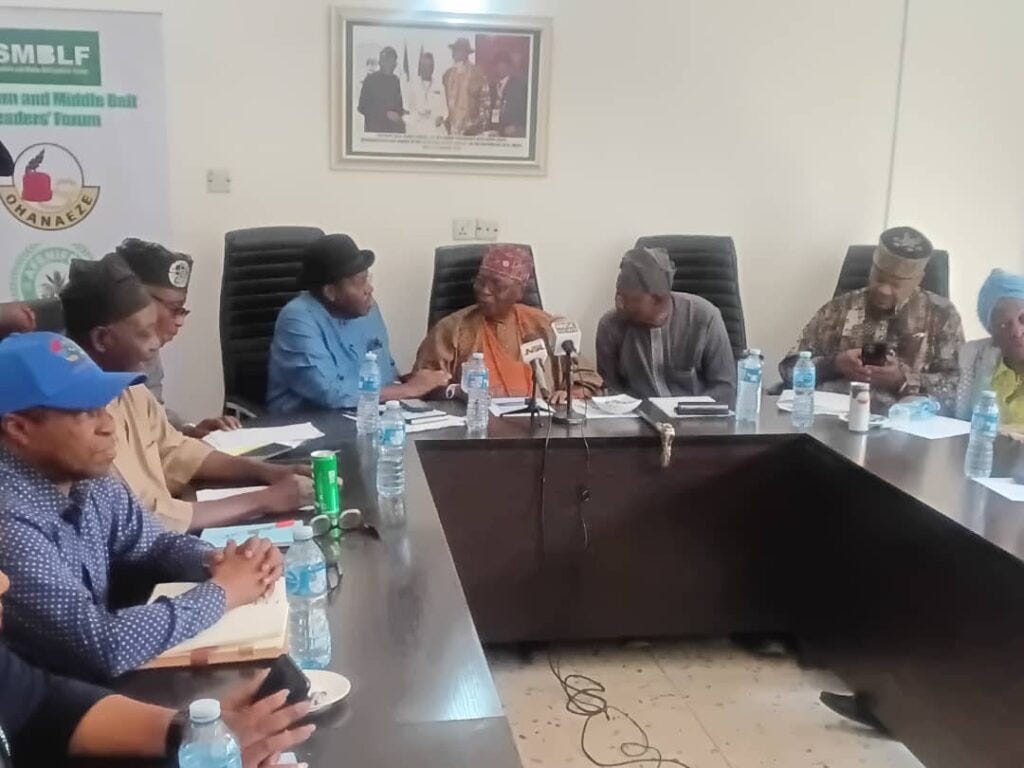
Afenifere in the southwest, Ohanaeze Ndigbo in the southeast, and the Middle Belt Forum in the north central states organizations that rarely agree on much all came out in unified opposition within days of each other.
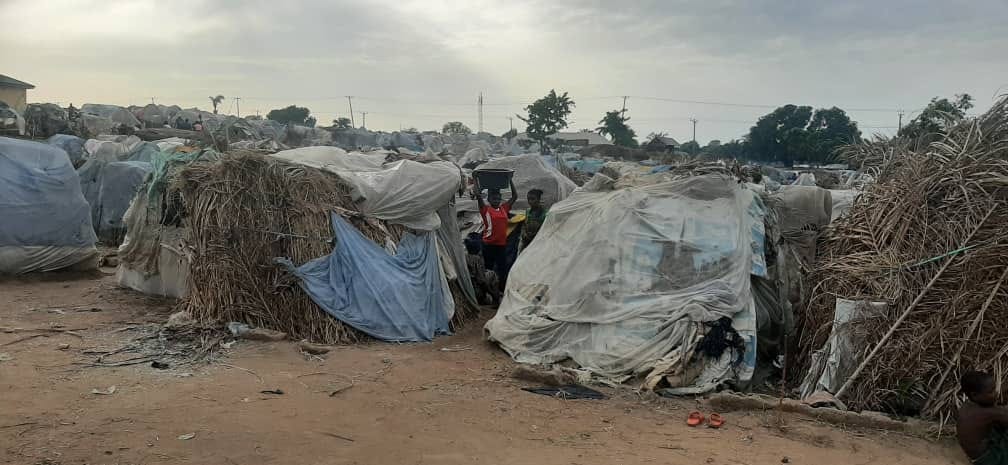
The Benue anomaly.
Perhaps the most cited piece of evidence was Benue State’s reaction. Benue had suffered some of the worst herder farmer violence in the country and, on paper, stood to gain from any credible plan to reduce it. Instead, Benue’s government joined the southern opposition, arguing that RUGA would reward the very herding practices its own anti open grazing law had been built to restrict. Critics took this as proof that the plan wasn’t primarily read, even in the region most affected by the violence, as a genuine conflict resolution tool.

Coercion dressed as consultation.
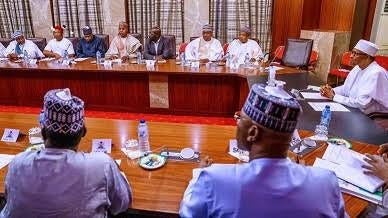
Coercion dressed as consultation. While southern and Middle Belt governors were rejecting the plan, northern groups moved in the opposite direction issuing a public ultimatum giving the south 30 days to accept RUGA and pressing Buhari to implement it immediately regardless of state consent. To critics, a “voluntary” federal program that comes bundled with an ultimatum from one region against the others is not voluntary in any meaningful sense; it reads as a demand backed by political pressure.
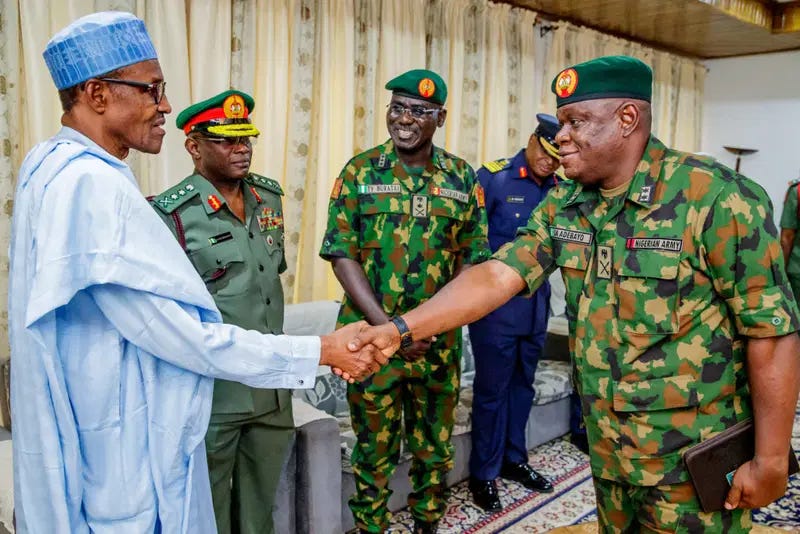
Pattern, not incident. RUGA didn’t arrive in a vacuum. It landed against a backdrop of years of criticism from Nigerian commentators, opposition politicians, and international observers that Buhari’s appointments to sensitive federal positions, particularly in security leadership, had disproportionately favored the north and, more specifically, his own Fulani ethnic base. For critics, RUGA wasn’t an isolated agricultural proposal to be judged on its own; it was the latest data point in a longer pattern they believed pointed toward ethnic favoritism in how the administration allocated land, jobs, and protection.
The violence gap.
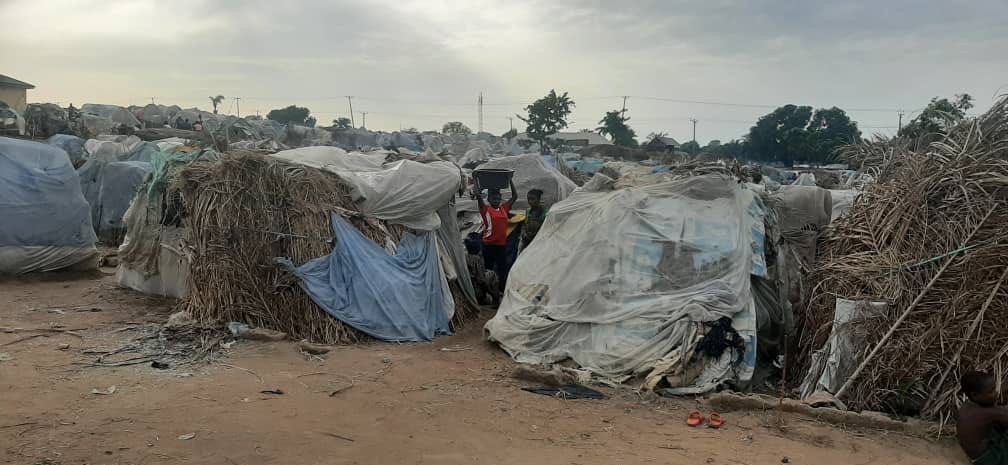
Nobel laureate Wole Soyinka’s public warning that the country risked moving from “Boko Haram to Boko Ruga” captured a broader grievance: that farming communities attacked by armed herders had, in the view of many Nigerians, seen a slower and less forceful federal security response than incidents involving other kinds of violence. Whether or not that perception was statistically accurate, it shaped how RUGA was read the moment it appeared as land for the group associated, fairly or not, with the violence, rather than protection for the group being killed.
The government’s defense
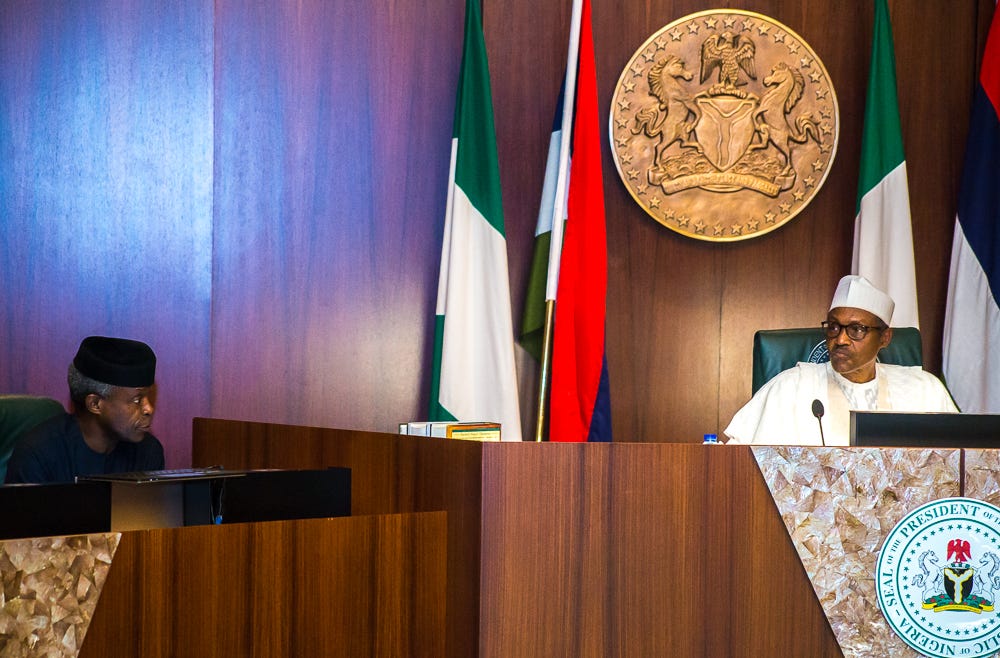
The Buhari administration and its allies pushed back hard against the “Fulanization” framing, and their counter case deserves to be stated on its own terms.
Vice President Yemi Osinbajo publicly distanced himself from RUGA specifically, signaling daylight within the administration itself about how the policy had been designed and communicated. Governor Atiku Bagudu, speaking for the APC Governors Forum, said Buhari ordered the suspension “considering the controversies its introduction has caused” an acknowledgment that the rollout, at minimum, had been badly mishandled, without conceding the ethnic agenda charge itself.
The government’s substantive defense rested on three points: that RUGA descended from a genuinely older, cross administration policy lineage predating Buhari and even predating the current wave of Fulani linked violence; that the underlying problem over 1,000 violent herder farmer incidents between 2010 and 2019, up from fewer than 100 in the prior decade, driven substantially by desertification and climate linked pasture loss pushing herds southward was real, national, and worsening regardless of who governed; and that RUGA was superseded by, and should be read as separate from, the National Livestock Transformation Plan the National Economic Council had already adopted in January 2019, which was explicitly voluntary and state by state.
That last point has some real support: eleven northern states voluntarily contributed roughly 55,000 hectares toward the Plan, while most southern states simply declined to participate which is closer to an opt in structure than a federally imposed land grab, at least on paper.
Separately, investigative reporting has since raised further questions about the RUGA program’s finances specifically, including documented allegations that billions of naira in RUGA linked contracts were awarded to newly registered, thinly documented companies adding a second, corruption shaped layer of scrutiny on top of the original ethnic agenda controversy.
Sources consulted for this piece include contemporaneous Nigerian reporting (AllAfrica, Vanguard, ThisDay, TheCable, Sahara Reporters, Guardian Nigeria), the International Crisis Group’s 2022 report “Ending Nigeria’s Herder-Farmer Crisis: The Livestock Reform Plan,” and background on the policy’s history and controversy.